
The Science of Behind Drawing
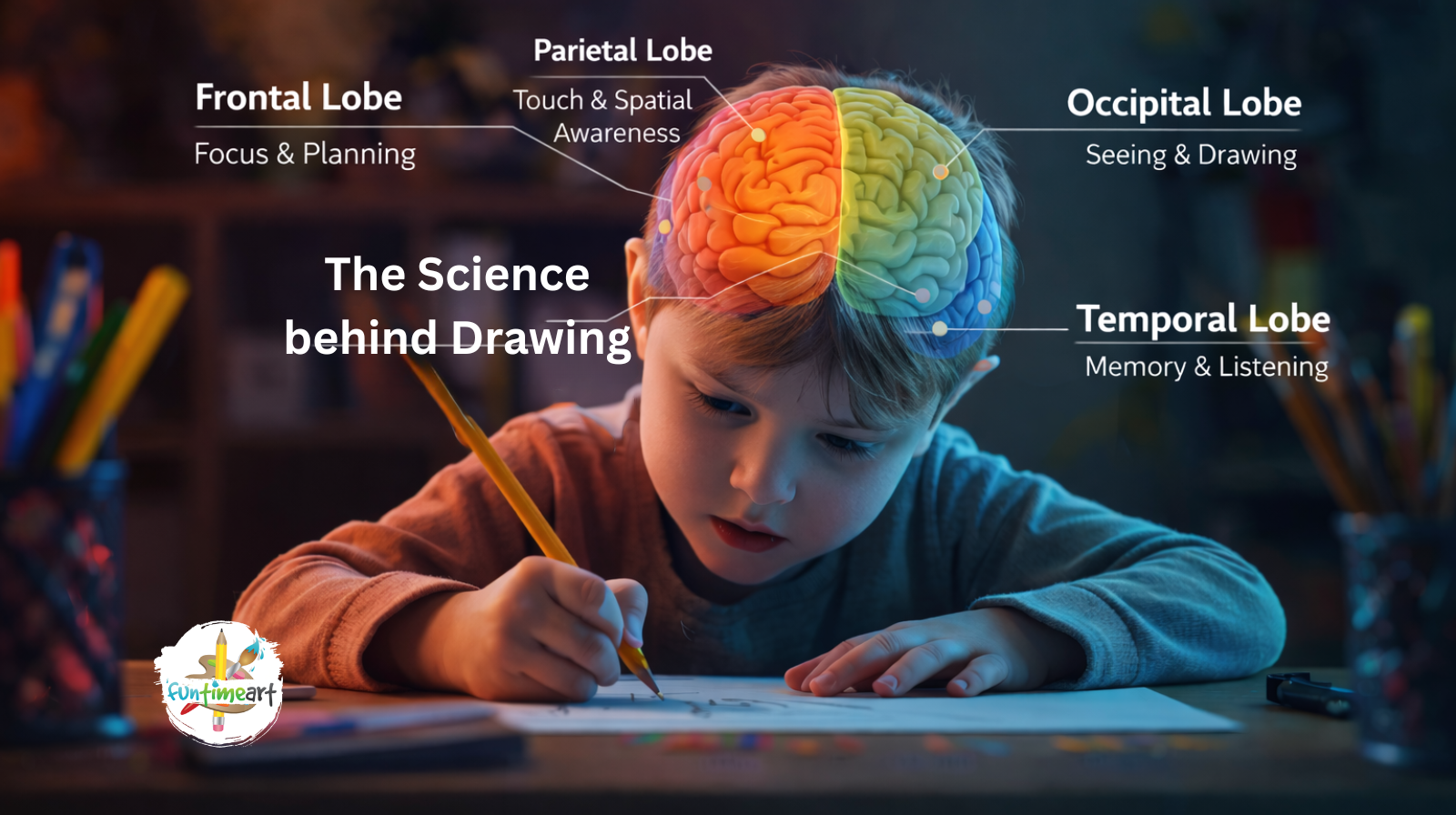 The Science Behind Drawing: How Art Improves Children’s Focus
Does your child struggle to concentrate, sit still, or stay engaged with tasks?
With so many distractions competing for attention, building focus can be a real challenge for children. But there’s a simple, enjoyable activity that naturally strengthens attention skills—drawing.
Beyond being fun, drawing is backed by science as a powerful way to support children’s focus, brain development, and emotional regulation.
Why Focus Matters for Kids
Focus is a key skill for learning, problem-solving, and everyday tasks. It helps children:
- Follow instructions
- Complete schoolwork
- Stay engaged in activities
- Build confidence in their abilities
Like any skill, focus improves with practice—and creative activities like drawing are one of the most effective (and enjoyable) ways to build it.
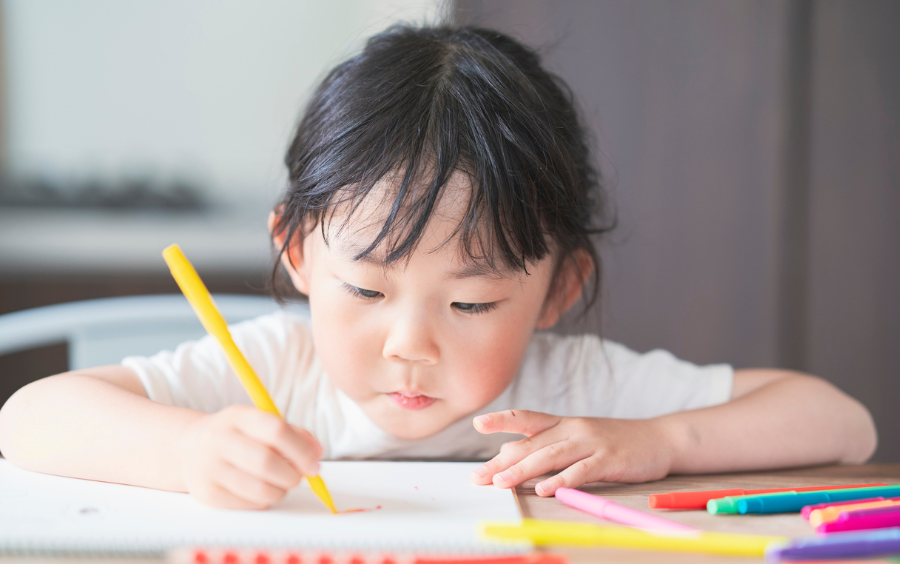
What Happens in the Brain When Kids Draw?
When children draw, multiple areas of the brain work together at once:
- The prefrontal cortex (focus and planning) helps them decide what to draw and how to organise it
- The motor cortex controls hand movements and coordination
- The visual cortex processes shapes, lines, and spatial awareness
- The limbic system supports emotional expression and regulation
This whole-brain activity strengthens neural connections, helping children concentrate for longer periods over time.
Drawing Builds Focus in a Natural Way
Unlike structured tasks that can feel like “work,” drawing gently encourages focus without pressure.
While screens are a part of everyday life, hands-on creative activities like drawing—whether at home or in guided lessons—give children an important opportunity to slow down and focus.
Here’s how:
1. It encourages sustained attention
Children become absorbed in their drawing, often focusing for longer than they realise.
2. It reduces distractions
The hands-on nature of drawing helps shift attention away from external noise and competing stimuli.
3. It develops patience
Adding details, correcting mistakes, and finishing a drawing all build persistence.
4. It supports mindfulness
Drawing can have a calming, almost meditative effect, helping children slow down and regulate their energy.
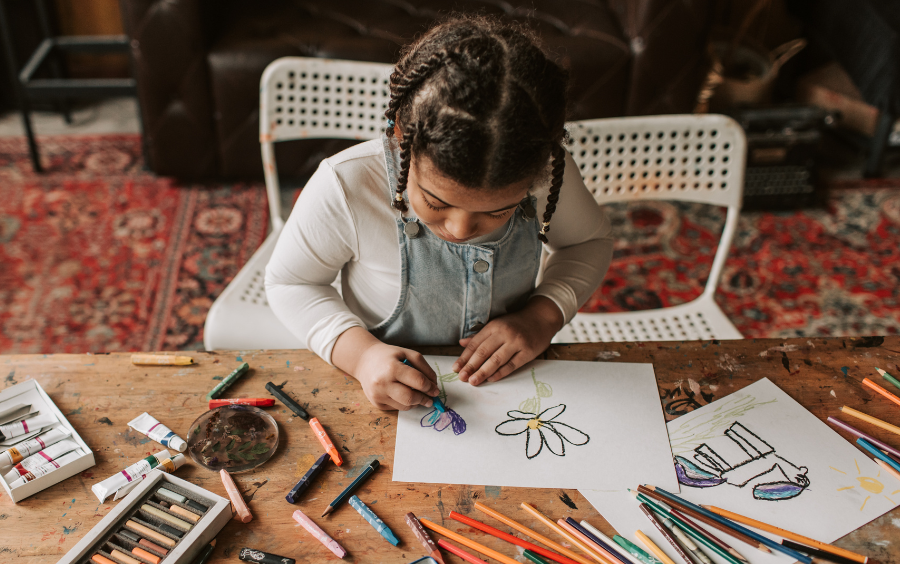
The Link Between Drawing and Academic Skills
Improved focus doesn’t just stay in art—it carries over into learning.
Children who regularly draw often show improvements in:
- Reading and comprehension
- Writing and fine motor control
- Problem-solving skills
- Memory and information retention
This is because the same brain processes used in drawing are also used in many academic tasks.
Simple Ways to Use Drawing to Boost Focus at Home
You don’t need anything complicated—just a pencil and paper can make a big difference.
Try these easy ideas:
- Set a “quiet drawing time” each day (10–15 minutes is enough)
- Encourage detailed drawings (e.g. “draw your dream house with as many features as you can”)
- Use step-by-step drawing activities to build concentration
- Let your child choose the subject to keep them engaged
Consistency is key—even short, regular sessions can noticeably improve attention over time.

How Structured Art Classes Help Even More
While free drawing is wonderful, guided lessons can take focus skills further.
In structured art classes, children learn to:
- Follow step-by-step instructions
- Work through challenges
- Complete projects from start to finish
- Stay engaged for longer periods
If you’re looking to support your child’s focus while nurturing their creativity, you can explore our online drawing classes designed especially for kids.
Conclusion
Drawing isn’t just a creative outlet—it’s a powerful tool for building focus, confidence, and lifelong learning skills.
By encouraging your child to draw regularly, you’re helping them develop the ability to concentrate, stay calm, and engage more deeply with the world around them.
“Photography is an immediate reaction, drawing is a meditation.” — Henri Cartier-Bresson
Keep Exploring Creativity
If you loved this, you might also enjoy:
Child Development Stages
A look at how children develop at different ages.
Want to stay in the loop?
Join my newsletter for class updates, creative inspirations & highlights from my blog.
You can also follow us on Instagram and Facebook to see student artwork, keep up with what’s happening, new classes and the odd art competition!