
Learning to Draw is like Learning a Language
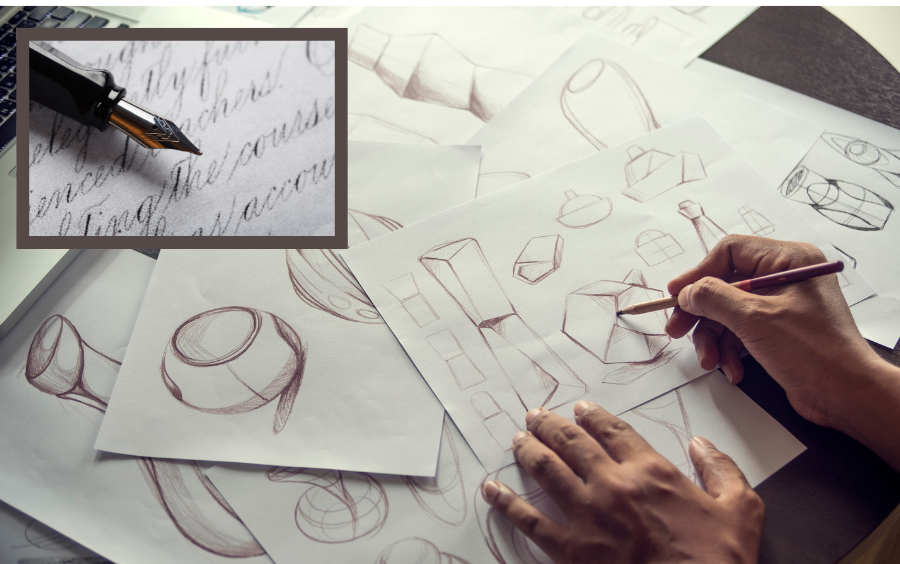
Why Learning to Draw is Like Learning a Language
How Practice and Mindset Unlock Your Creative Confidence
Learning to draw can feel intimidating at first. Some people worry they “aren’t artistic,” while others give up because progress seems slow. But here’s the secret: learning to draw is more like learning a language than mastering a skill overnight.
Drawing as a Language
Think about how you learned your first language. At first, you started with simple sounds, words, and gestures. Over time, you learned to form sentences, express ideas, and communicate with confidence. Drawing works the same way.
When you pick up a pencil, you’re learning a visual language. Lines, shapes, and colours are your letters and words. Shading and perspective are grammar. Every time you draw, you’re practicing the vocabulary of visual expression, learning how to “speak” through art.
Just as you wouldn’t expect to speak fluently in a new language after one lesson, you shouldn’t expect your drawings to be perfect immediately. Progress comes from repeated exposure and practice.
The Mindset Matters
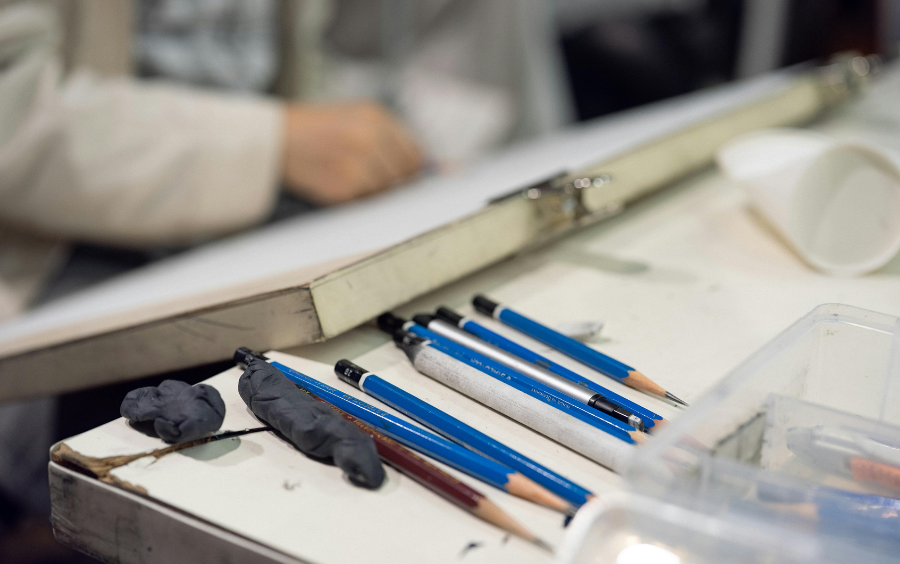
Language learners often make mistakes—and that’s how they grow. Similarly, drawing involves trial and error. Mistakes aren’t failures; they’re stepping stones. Every sketch, scribble, or doodle is a conversation between your hand, your eye, and your brain.
Developing a growth mindset is key. Instead of thinking, “I’m not good at this,” try thinking, “I’m learning this new language, and every attempt improves my fluency.”
Why Practice Makes a Difference
When you first learn a language, consistent practice is what makes words flow naturally. You study vocabulary, speak with friends, and read books. In drawing, the process is similar:
- Regular sketches build your visual “vocabulary.”
- Copying from life or references teaches grammar and sentence structure.
- Experimenting with styles and techniques is like trying different dialects or accents.
The more you practice, the more confident you become in expressing ideas visually. Slowly, what once felt awkward or impossible starts to feel natural and intuitive.
Confidence Through Progress
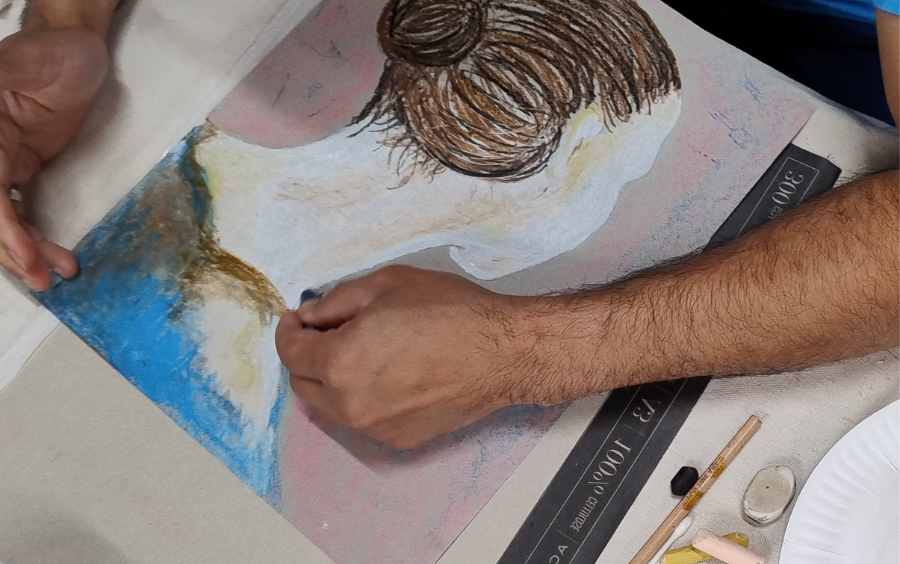
One of the greatest joys of learning a language is the moment you realize you can communicate without hesitation. In drawing, that same moment happens when you create something and recognize, “I made this with my own hands.”
Confidence doesn’t come from perfection—it comes from understanding the process and trusting yourself to improve. Each line you draw is progress, each sketch is a sentence, and over time, you become fluent in your own creative language.
Putting into Practice
Learning to draw isn’t about talent —it’s about practice, patience, and perspective. Treat your sketchbook like a notebook in a new language class: make mistakes, experiment, and keep showing up. With time, you’ll find that drawing becomes as natural as speaking, and your confidence will grow along with your skills.
Keep Exploring Creativity
If you loved this, you might also enjoy:
Art is a Bridge
Explore how art breaks down barriers and builds connections
Want to stay in the loop?
Join my newsletter for class updates, creative inspirations & highlights from my blog.
You can also follow us on Instagram and Facebook to see student artwork, keep up with what’s happening, new classes and the odd art competition!