Drawing as a Tool for Emotional Expression for Kids
 Drawing as a Tool for Emotional Expression for Kids
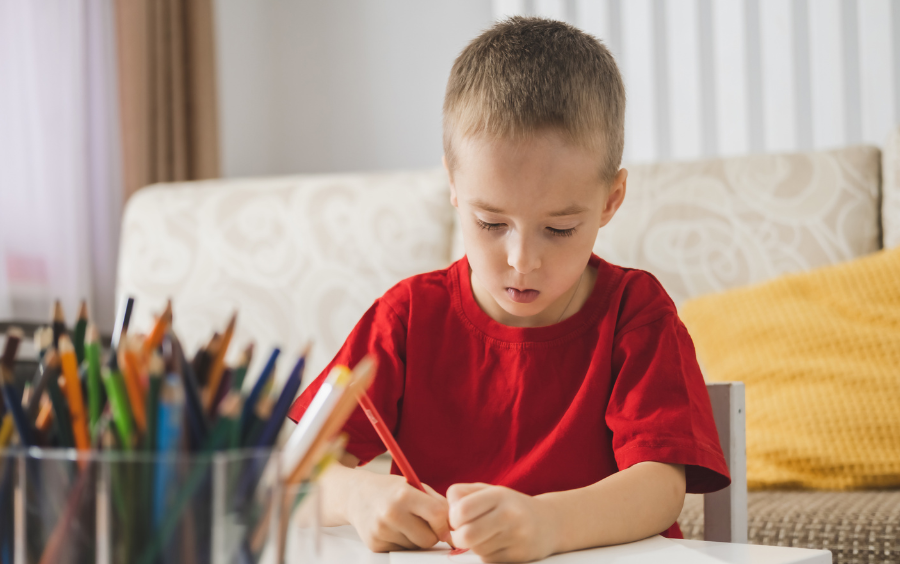
Children often struggle to articulate complex emotions. Words can be limiting, especially for younger kids who haven’t fully developed their language skills. This is where drawing becomes a powerful tool. Through art, children can express their feelings, communicate experiences, and support their overall emotional wellbeing.
Why Drawing Helps Kids Express Emotions
Drawing gives children a safe, non-verbal way to explore their emotions. Instead of trying to describe sadness, excitement, or anxiety in words, kids can use colours, shapes, and forms to show how they feel. Research shows that engaging in creative activities like drawing:
- Reduces stress and anxiety
- Increases self-awareness and emotional regulation
- Enhances problem-solving and coping strategies
Even simple doodles can reveal what’s going on inside a child’s mind. For example, jagged lines may indicate tension or frustration, while bright, flowing shapes can suggest happiness and comfort.
In my classes, we combine drawing with simple mindful exercises—like gentle breathing or finger stretching—to help children settle into the creative process. These small practices make it easier for kids to focus, relax, and connect with their feelings before they even touch the pencil
Drawing as a Communication Tool
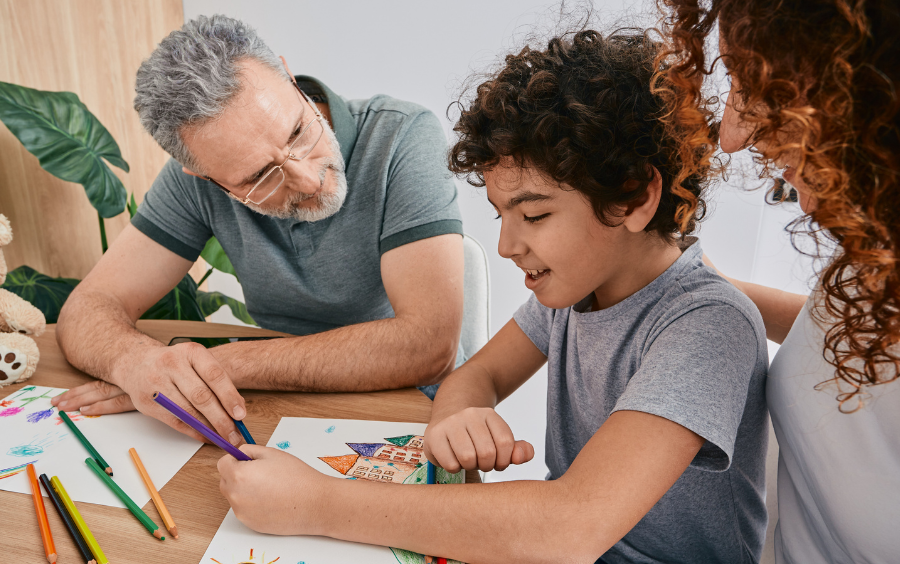
Art provides a bridge between a child’s inner world and the adult world. Parents, teachers, and caregivers can gain insights into children’s thoughts and feelings by observing their drawings. Questions like:
- “Can you tell me about this part of your picture?”
- “What colours did you choose and why?”
…can open up conversations that might otherwise be difficult for a child to initiate. This approach encourages children to share their emotions at their own pace, without pressure.
In my art classes, kids are invited to share the stories behind their drawings. This encourages them to reflect on their feelings, and often sparks meaningful conversations in a safe and supportive environment. Sharing their art becomes a natural way for children to practice communicating emotions.
Supporting Wellbeing Through Creative Expression
Beyond communication, drawing contributes to overall wellbeing. It gives children:
- A sense of control: choosing colours, shapes, and subjects helps them feel empowered
- Mindfulness: focusing on creative activity encourages presence and reduces stress
- Self-confidence: completing a piece of artwork can boost self-esteem and pride
Integrating drawing into regular routines or guided art classes can help children develop resilience and emotional literacy—skills that last a lifetime.
Through these combined approaches—drawing, mindful exercises, and storytelling—children in my classes develop not only artistic skills but also greater emotional awareness and resilience.
Practical Tips for Encouraging Emotional Drawing
- Provide a variety of materials – crayons, pencils, paints, and paper of different sizes encourage exploration.
- Create a safe space – a calm, welcoming environment helps children feel comfortable expressing themselves.
- Avoid judgment – focus on the process rather than the end product. Praise effort and creativity.
- Use prompts if needed – asking kids to draw “a happy place” or “how I feel today” can spark meaningful expression.
- Share and discuss – gently ask children to explain their artwork, listening actively without interpretation unless invited.
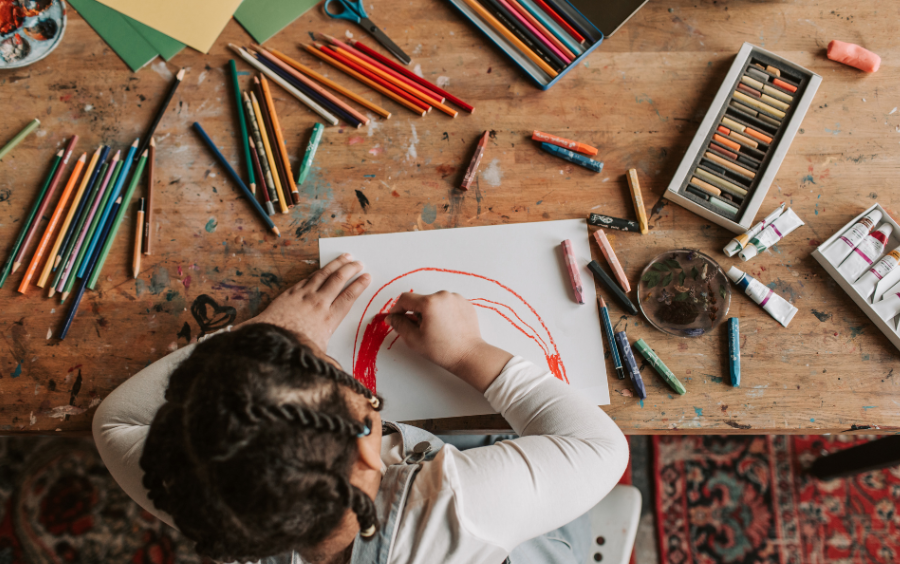
“I found I could say things with colour and shapes that I couldn’t say any other way—things I had no words for.” — Georgia O’Keeffe
Conclusion
Drawing is more than just a fun activity—it’s a vital tool for emotional expression, communication, and wellbeing. By encouraging kids to draw, adults can support their emotional growth and provide them with a safe outlet for their feelings. Art becomes a bridge for understanding, connection, and emotional development.
Keep Exploring Creativity
If you loved this, you might also enjoy:
Art as a Bridge to connection
How art is connects us together and builds social grow
Want to stay in the loop?
Join my newsletter for class updates, creative inspirations & highlights from my blog.
You can also follow us on Instagram and Facebook to see student artwork, keep up with what’s happening, new classes and the odd art competition!