
Art Deco: The Art of Looking Forward
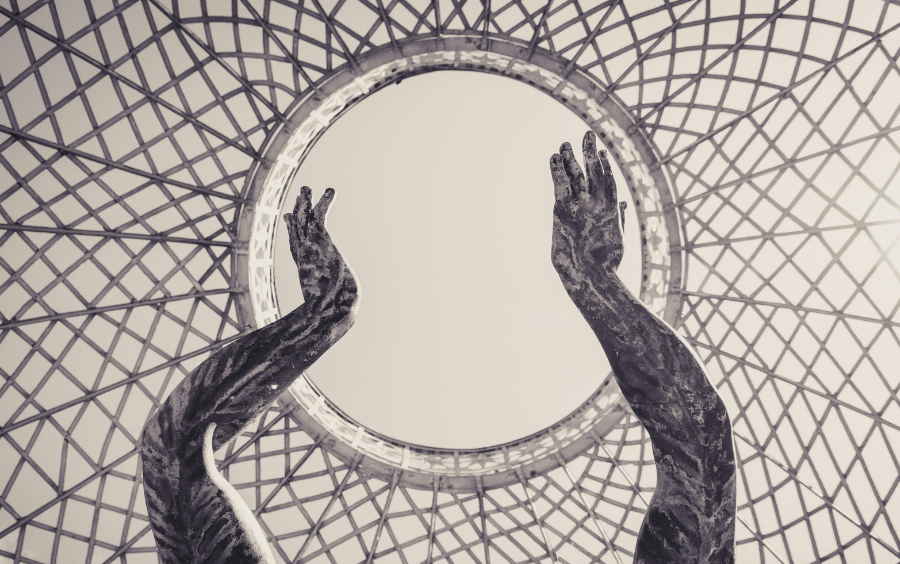
Art Deco is one of those design styles that is surprisingly easy to recognise, even if we don’t always know exactly why.
Think bold geometric shapes, symmetry, strong lines, repeated patterns, fan shapes, sunbursts and a touch of glamour.
Although Art Deco emerged almost a century ago, its visual language still feels remarkably fresh. Once you know what to look for, you may start noticing it’s influences in all sorts of places — from buildings and artworks to jewellery, interiors and everyday objects.
So, what was Art Deco, and what makes it so instantly recognisable?
What was Art Deco?
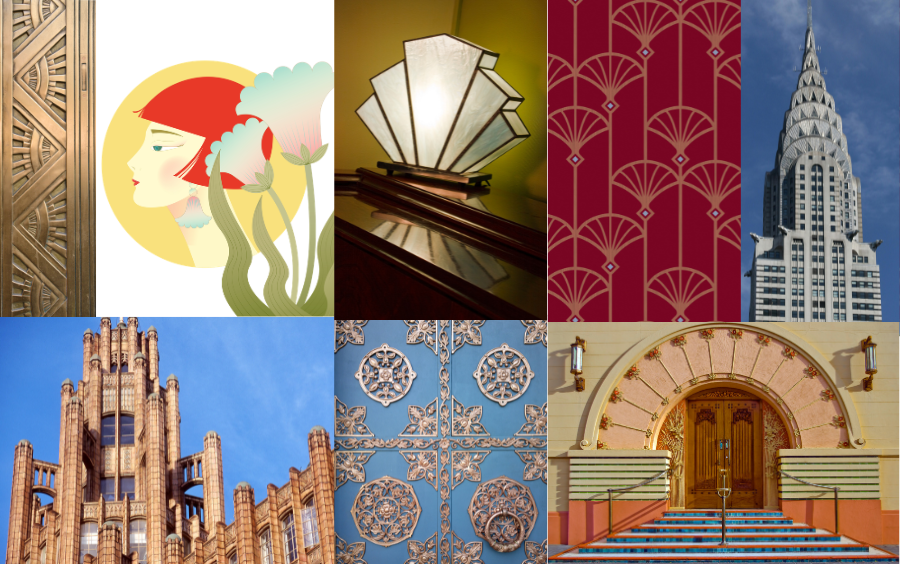
Art Deco emerged in the early 20th century and became particularly popular during the 1920s and 1930s.
It was a time of enormous change. New technology, modern transportation, cinema, skyscrapers and changing lifestyles were all creating a sense of excitement about the future.
Art Deco reflected that feeling.
It was modern, stylish and optimistic. After the upheaval of the early 20th century, there was a desire to embrace progress and look forward. New materials, new technologies and new ways of living were reflected in the art and design of the time.
Perhaps that is one of the reasons Art Deco continues to capture our imagination today.
We are living through another period of enormous change. Technology is developing rapidly, the world around us is changing and, at times, it can be difficult to feel particularly hopeful about what lies ahead.
Art Deco reminds us that there can be something exciting about looking towards the future.
Its message wasn’t simply “this is what the future looks like.”
It was also about imagining what the future could be.
And perhaps that is something worth borrowing from Art Deco today — especially when we are thinking about the future our children will inherit.
Art Deco wasn’t limited to one type of art or object. Its ideas appeared across architecture, painting, jewellery, furniture, posters, interiors, fashion and everyday objects.
What connected these different forms was a shared visual language.
So, what makes something Art Deco?
You don’t necessarily need to know who created something or exactly when it was made to recognise its Art Deco influence. Instead, you can start by looking for some of the visual clues.
Geometric shapes
Art Deco loves geometry.
Triangles, diamonds, circles, rectangles and stepped shapes are often simplified and arranged into striking designs.
Sometimes a very simple shape, when repeated or combined with others, can create a surprisingly sophisticated pattern.
Symmetry
Look for designs that are balanced from one side to the other.
Symmetry can make a design feel organised, elegant and structured — almost like architecture in miniature.
Repetition
Repeating a shape, line or motif is another characteristic.
A single diamond might not immediately make you think of Art Deco. But repeat it across a surface, combine it with lines and symmetry, and suddenly the whole design begins to take on that distinctive Art Deco feeling.
Strong lines
Art Deco often uses bold horizontal, vertical and diagonal lines.
These can give a design a sense of structure and movement while creating a feeling of modernity.
Fans and sunbursts
Fan shapes and radiating lines are some of the most recognisable Art Deco motifs.
They appear again and again in architecture, artwork, jewellery, furniture and decorative objects.
Stylised shapes
Art Deco artists often simplified the things they were depicting rather than trying to represent them realistically.
A flower, person, animal or building could be reduced to simple shapes and strong lines.
The result could still be recognisable, but it became more decorative, dramatic and modern.
And this is where Art Deco becomes particularly interesting from an artist’s perspective.
It’s not simply about drawing geometric shapes. It’s about deciding how you can simplify, arrange and transform an idea.
A realistic object can become something completely different when you reduce it to its most important shapes and lines.
Art Deco hasn’t really gone away
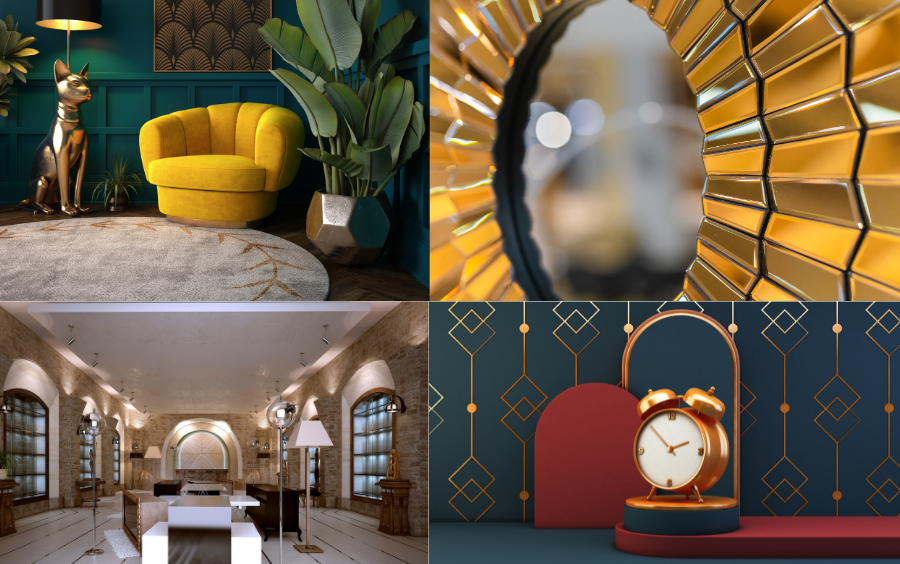
Although the Art Deco period belongs to the 1920s and 1930s, artists continue to be inspired by its visual language.
You might see geometric patterns, symmetrical arrangements, fan shapes, radiating lines, metallic surfaces or bold simplified forms appearing in contemporary artwork and visual culture.
Of course, contemporary artists aren’t necessarily trying to recreate the 1920s.
Instead, they can take an idea from the past and reinterpret it in their own way.
And this is something artists have always done.
Art doesn’t exist in isolation. Artists look at what has come before them, take inspiration from different periods, cultures and ideas, and then make those ideas their own.
So when we see Art Deco-inspired artwork today, we aren’t necessarily looking at a copy of something from the 1930s.
We are seeing an old visual language being given a new voice.
Perhaps that is another reason Art Deco has remained so appealing.
It still gives artists plenty to play with.
Easy Art Deco Ideas to Enjoy at Home
Feeling inspired? Here are a few simple ways to have some Art Deco fun at home. You don’t need to be an artist — just some paper, colour and a willingness to play with shapes!
🎨 Turn a shape into an Art Deco pattern
Start with a simple outline — a leaf, flower, cup or any other shape you like. Divide the inside into lots of triangles of different shapes and sizes.
Choose 5–7 colours, then let a dice decide how many triangles you colour with each colour. The only rule? Triangles next to each other can’t be the same colour.
Keep rolling, colouring and working through your colours until your shape is filled with a colourful geometric pattern.
It’s a simple game, but the combination of geometric shapes, repetition and colour can create a wonderfully Art Deco feel.
🏙️ Fold, pass and create an Art Deco skyscraper
Did you know that games were also part of the social culture of the Art Deco era?
Mahjong experienced a huge surge in popularity in the United States and Europe during the early 1920s, while Monopoly became a sensation in the 1930s.
Artists were playing games too. In Paris in the 1920s, artists and poets associated with the Surrealist movement played a collaborative drawing game called Exquisite Corpse. Each person contributed to part of a drawing, folding the paper to conceal their work before passing it on to the next person. The finished artwork was a surprise to everyone involved.
Surrealist artists including Yves Tanguy, Joan Miró, Max Morise and Man Ray even created a documented Exquisite Corpse drawing together in 1926–27.
We’ve given this old artist’s game our own Art Deco twist!
Fold a piece of paper into three sections and work with two other people to create an Art Deco skyscraper. One person draws the top, another the middle and another the bottom, with each person using their own geometric shapes and ideas.
Then unfold the paper and reveal your very own collaborative skyscraper!
☀️ Make your own Art Deco sunburst
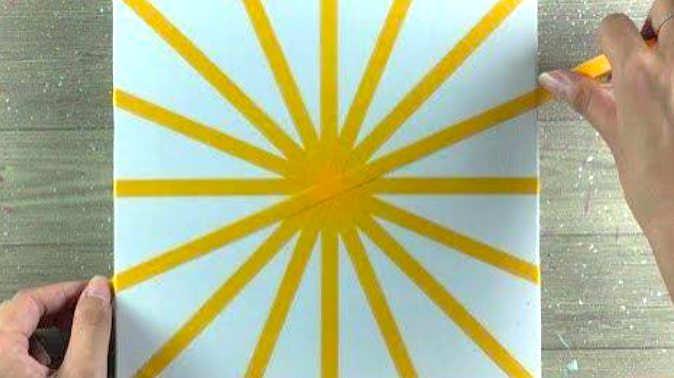
Art Deco is famous for its radiating sunburst designs.
Try making your own by placing strips of masking tape from a central point at the bottom of a piece of card, watercolour paper or canvas, creating lots of radiating sections.
Paint or colour the spaces between the tape. Use one colour or as many as you like.
Once everything is completely dry, carefully remove the tape to reveal your sunburst.
And for a little extra meaning, why not write HOPE in the centre?
After all, the Art Deco era was a time when people were looking towards the future with excitement and optimism.
Perhaps that’s a little bit of Art Deco we could all use today.
Art Deco at Fun Time Art
This is exactly how we’re beginning our Art Deco adventure at Fun Time Art this term.
Rather than starting with a particular artist, my Little Artists will first discover what makes Art Deco look like Art Deco.
We’ll explore geometric shapes, symmetry, repetition, strong lines and some of the distinctive decorative motifs that make the style so recognisable.
Then we’ll put those ideas into practice through a series of creative projects, including an Art Deco-inspired postcard, a paper fan and designing a shopping bag!
I love introducing children to art styles this way because they aren’t simply learning a list of facts.
They’re learning to look.
Once you understand what you’re looking at, you start noticing those ideas everywhere.
And perhaps, as we explore Art Deco, we’ll also take a little inspiration from the optimism of the people who created it — and remember that the future isn’t something we simply have to wait for.
It’s something we can imagine, create and shape.
Keep Exploring Creativity
If you loved this, you might also enjoy:
Drawing is like learning a language
Can you learn a language – learning to draw can be just the same!
Want to stay in the loop?
Join my newsletter for class updates, creative inspirations & highlights from my blog.
You can also follow us on Instagram and Facebook to see student artwork, keep up with what’s happening, new classes and the odd art competition!