
Doodling for Anxiety Relief
Why Doodling Patterns is Good for Anxiety (for Kids and Adults)
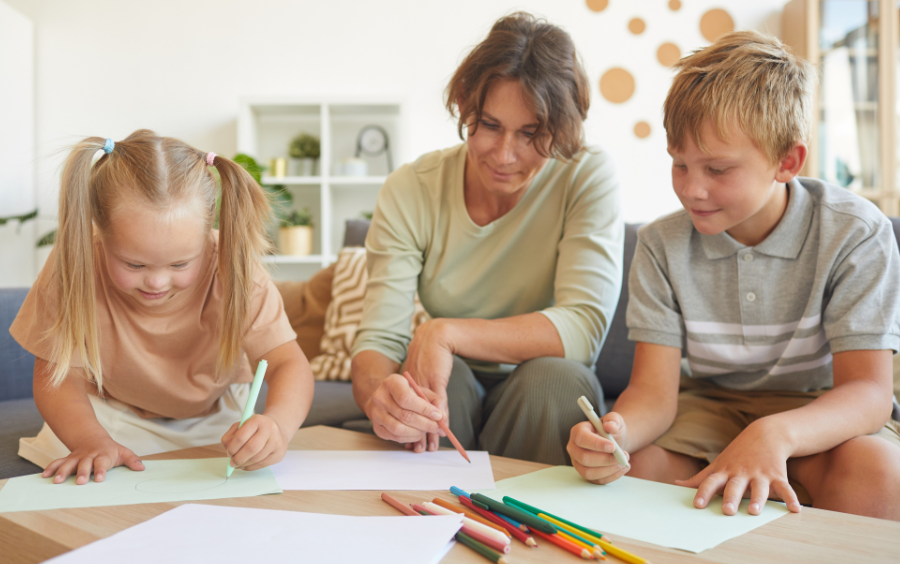
The calm hidden inside simple patterns
At first glance, doodling patterns might look like something we do absentmindedly—filling the corners of a page with swirls, lines, and shapes.
But what looks like “mindless drawing” is actually something much more powerful.
Repetitive pattern drawing gently slows the brain, helping both children and adults shift out of stress mode and into a calmer, more focused state.
How pattern drawing helps calm the mind
When we draw repeating shapes—dots, lines, waves, or geometric patterns—the brain begins to settle into rhythm.
This kind of drawing:
- Reduces mental overload
- Gives the mind a single, simple focus
- Creates a sense of predictability and control
It’s similar to other calming activities like:
- Deep breathing
- Colouring in
- Knitting or repetitive movement
The repetition is the key. It gives the brain something steady to hold onto.
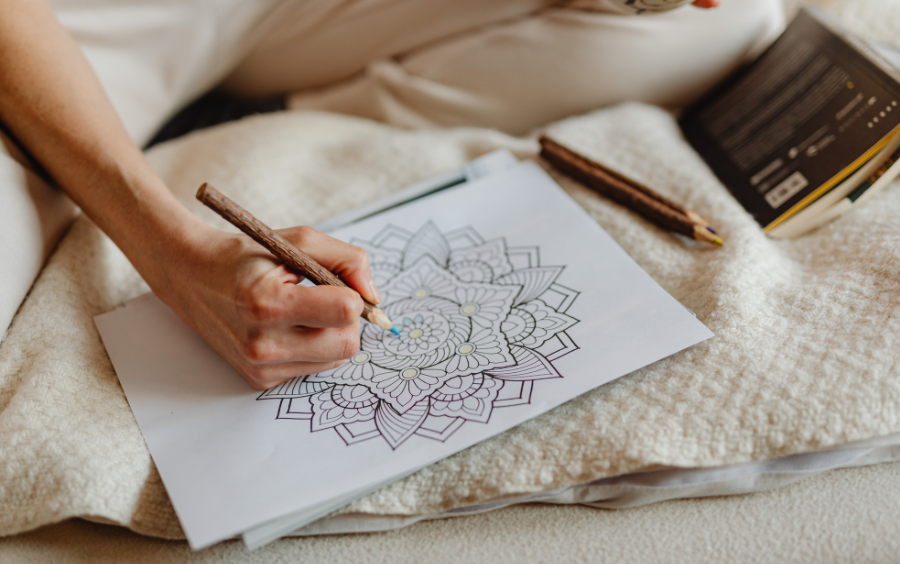
A gentle form of mindfulness (without calling it that)
Not all kids (or adults!) connect with traditional mindfulness.
Sitting still. Closing eyes. “Clearing the mind.”
That can actually feel frustrating—especially for busy or anxious thinkers.
Pattern doodling offers a more natural alternative.
Instead of trying to stop thoughts, it:
- Softens them
- Slows them down
- Redirects focus into the hands
This is why many people feel calmer without even realising why.
Why it can be especially helpful for anxious, ADHD and autistic minds
For people who experience anxiety, ADHD, or are on the autism spectrum, pattern drawing can be particularly supportive.
That’s because it:
- Encourages predictability and structure
- Allows for repetition without pressure to be “creative”
- Supports focus without overwhelm
- Provides a safe, quiet way to self-regulate
Many neurodivergents naturally gravitate toward patterns, repetition, and visual order—so this kind of drawing can feel comfortable and engaging.
It’s not about “fixing” anything—it’s about offering a tool that works with how their brain already functions.
This isn’t a replacement for professional support, but it can be a helpful everyday strategy.
Why “mindless doodling” is actually very beneficial
That moment when a child is quietly drawing the same shape over and over?
They’re not zoning out—they’re regulating.
Doodling patterns can:
- Help process emotions
- Improve concentration afterwards
- Reduce restlessness
- Create a sense of calm accomplishment
It’s a reset button—simple, accessible, and always available.
Easy ways to bring this into everyday life
You don’t need anything fancy to get started.
Try:
- Keeping a small pattern journal
- Drawing while listening to music or audiobooks
- A quiet 10-minute “reset” after school
- Family doodle time at the table
You might even notice:
The more you do it, the more naturally calming it becomes.
A structured, supportive space to create
While free doodling is powerful, some children benefit from a little more structure and gentle guidance.
In a calm, supportive environment, they can:
- Learn new patterns
- Build confidence
- Enjoy the soothing rhythm of creating
- Feel proud of what they make
In my classes for kids, I gently weave in elements of creative wellbeing and art-based relaxation techniques, helping children not just learn to draw—but also to slow down, focus, and feel at ease while creating.
This approach is influenced by my training in art therapy, which shapes how I support children in a calm, encouraging, and pressure-free way.
A simple, powerful reset
In a world full of noise, and constant stimulation, simple activities matter more than ever.
A pencil. A page. A repeating pattern.
Sometimes that’s all it takes to help a busy mind feel a little more at ease.
“Art washes from the soul the dust of everyday life.” — Pablo Picasso
Keep Exploring Creativity
If you loved this, you might also enjoy:
Fun Drawing Games for Kids and Adults
Offers some simple and fun activities to do together
Want to stay in the loop?
Join my newsletter for class updates, creative inspirations & highlights from my blog.
You can also follow us on Instagram and Facebook to see student artwork, keep up with what’s happening, new classes and the odd art competition!