
Art and Fine Motor Skills
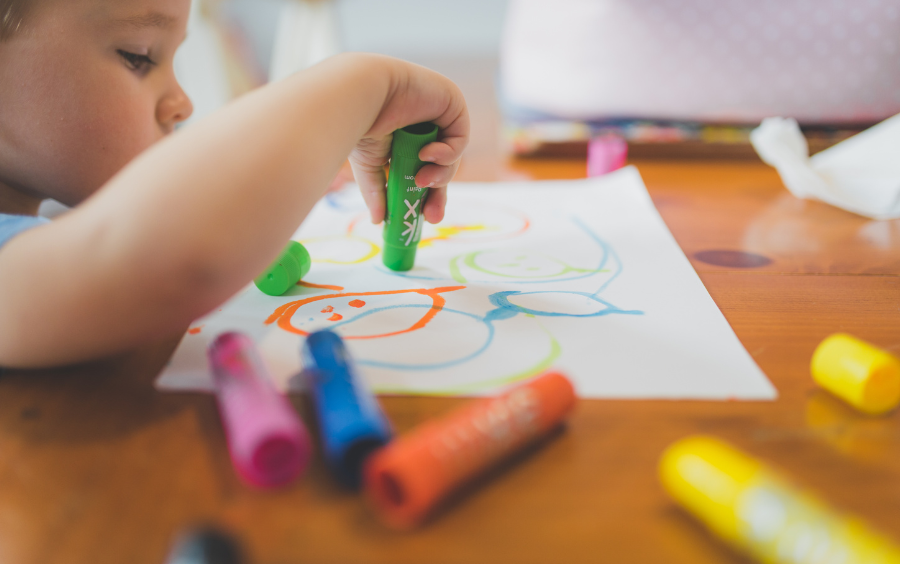
The Role of Art in Developing Fine Motor Skills and Coordination
Art isn’t just about creativity—it’s also a powerful tool for physical development, especially in young children. When kids draw, paint, sculpt, or cut shapes, they are training their hands, fingers, and eyes in ways that support lifelong coordination and dexterity.
Why Fine Motor Skills Matter
Fine motor skills involve the small muscles in the hands and fingers. These skills are essential for:
- Writing and typing
- Buttoning clothes and tying shoelaces
- Using utensils while eating
- Playing musical instruments
- Everyday tasks that require precision
Developing these skills early helps children gain confidence and independence in both academic and daily life activities.
How Art Activities Build Coordination
Art activities naturally encourage hand-eye coordination and dexterity. Here’s how some common experiences help:
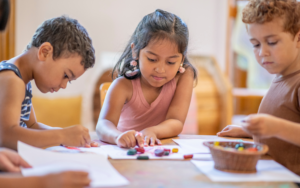 Drawing and Colouring
Holding pencils, crayons, or markers strengthens the fingers and encourages control.
I remember one child in my class who found colouring very challenging when he first started in kindergarten. Instead of focusing on “staying in the lines,” we turned it into a game—building a fence around the shape first, then filling it in. We even added fun sounds to go with the action to encourage repetition.
Over time, he began to understand the process and developed more control, becoming noticeably more confident in his work.
Cutting and Pasting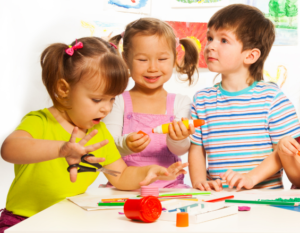
Using scissors and glue requires children to coordinate both hands and build control.
One student initially held her scissors facing toward herself and found cutting quite difficult. With gentle guidance and practice, she gradually learned how to hold them safely and use them more effectively. By the end of the term, she was cutting with much more confidence and far less assistance.
Gluing is another skill that often gets overlooked. Many younger children will place glue on paper but not apply enough pressure for it to stick. In class, we use a simple phrase—“rub-a-dub-dub”—to remind students to press and rub their work. It’s a small habit, but it makes a big difference in coordination and awareness.
Clay and Hand Strength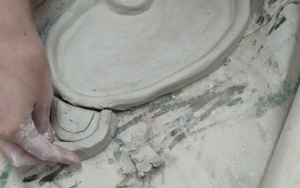
Working with clay is one of the best ways to build finger strength.
When students first try making pinch pots, many find it difficult. Their fingers tire quickly, and shaping the clay can feel awkward. But with encouragement and practice, their finger strength improves surprisingly fast.
Before long, something that once felt hard becomes easy—and that progress is incredibly empowering for them to see.
Painting and Brush Control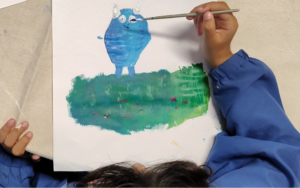
Painting helps develop both fine and broader motor control, but technique matters.
It’s very common to see children hold their paintbrushes stiffly and to scrub the head of the brush over the page . They often say their hands feel tired—and it’s usually because of how they’re gripping the brush.
To help, we reframe the movement in a playful way. Sometimes the brush is “standing up tall and sweeping the floor,” and other times it’s “dancing” across the page to a gentle humming sound. These small imaginative cues help children relax their grip, improve their control, and enjoy the process more.
Beyond Physical Skills: Confidence and Patience
Art isn’t just about muscle development. It teaches children focus, patience, and problem-solving.
What’s most rewarding is seeing the shift over time—when a child who once struggled begins to feel capable. These small physical improvements often lead to a much bigger change in confidence.
Tips for Encouraging Fine Motor Development Through Art
- Provide a variety of tools: crayons, markers, brushes, and scissors
- Include different textures: paper, cardboard, clay, fabric
- Offer both guided activities and free exploration
- Encourage them to try even a little bit – don’t just do it for them
- Be patient—progress comes with repetition and celebrate their progress
Art Classes and Workshops: Hands-On Learning for Kids
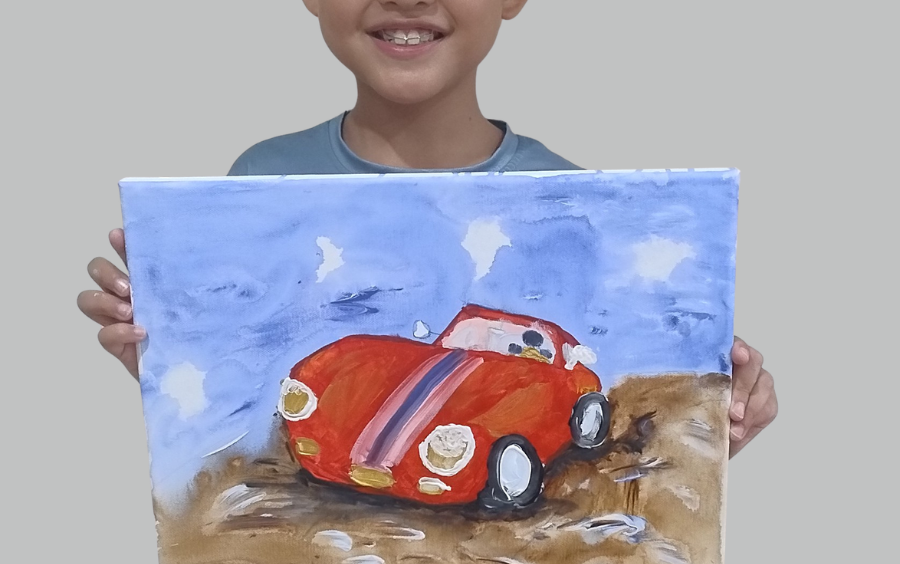
Structured art classes provide focused opportunities for fine motor skill development, combining creativity with purposeful practice. With the right guidance, children not only improve their coordination but also build confidence and resilience.
You can explore our Art Classes for Kids to support your child’s creative and physical development in a fun, encouraging environment.
Keep Exploring Creativity
If you loved this, you might also enjoy:
Child Art Development stages
Learn where your child is at in their art stage.
Want to stay in the loop?
Join my newsletter for class updates, creative inspirations & highlights from my blog.
You can also follow us on Instagram and Facebook to see student artwork, keep up with what’s happening, new classes and the odd art competition!